Infrastructure
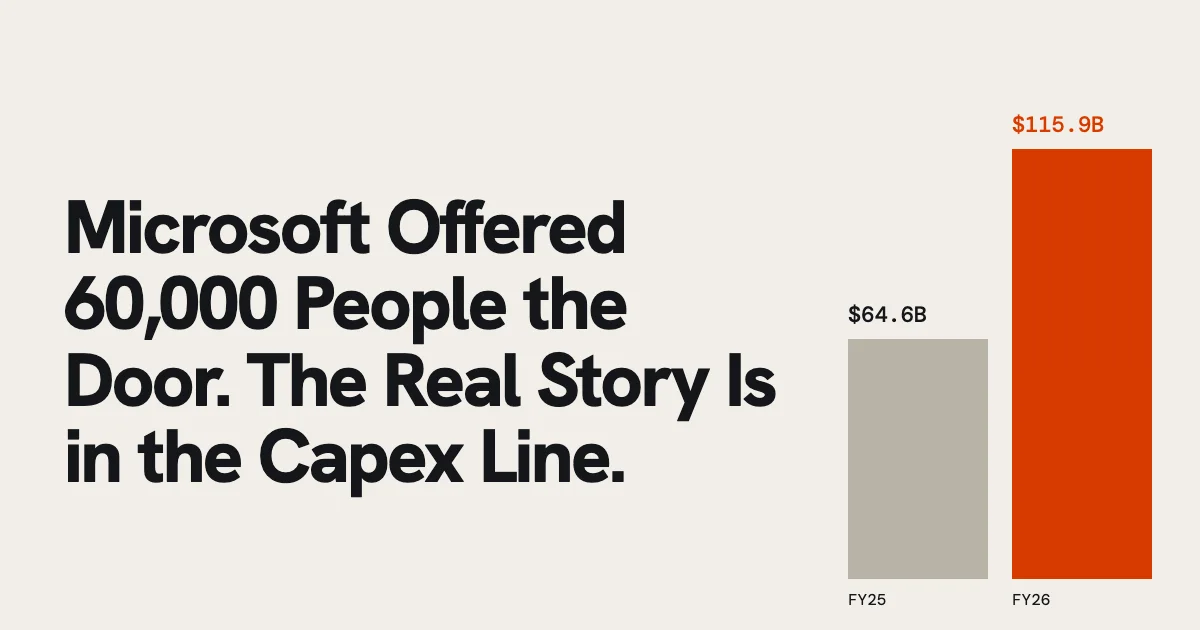
Microsoft Offered 60,000 People the Door. The Real Story Is in the Capex Line.
The headline reads as an AI layoff. Read the spending next to the revenue and a different reason shows up, one that will land at Google and Meta next.
Published Soursen pieces tagged ai, page 3, with the standfirst and the beat. Every fact is checked against the source.
Infrastructure
The headline reads as an AI layoff. Read the spending next to the revenue and a different reason shows up, one that will land at Google and Meta next.
Security
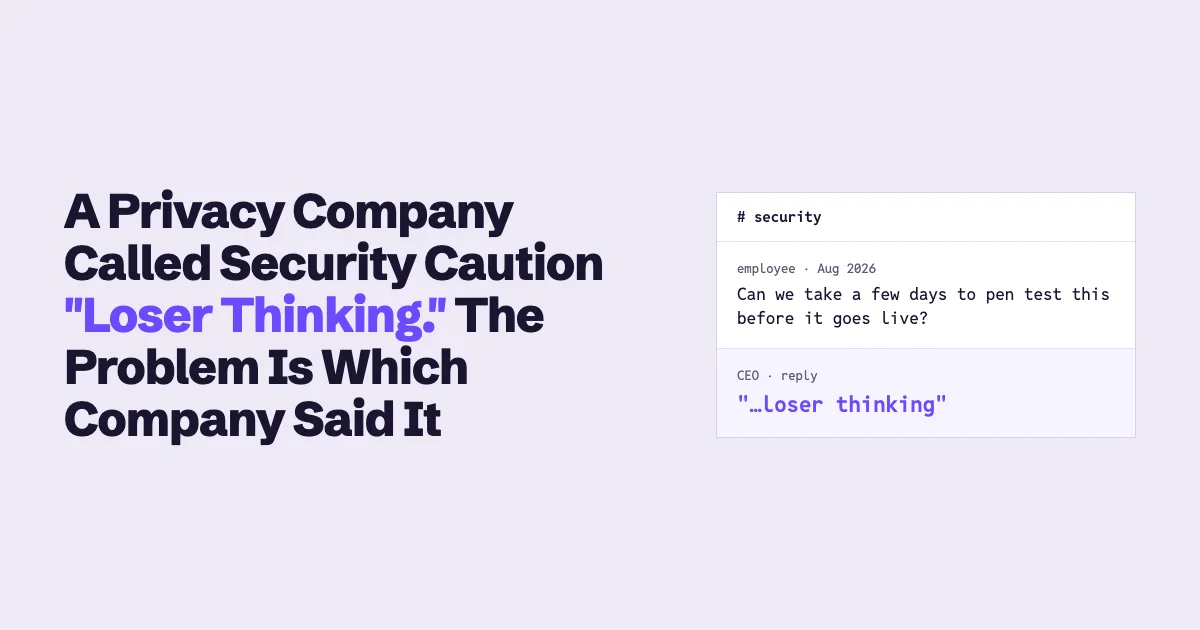
Proton, the encrypted email company that sells itself on taking security seriously, had its CEO tell an employee that asking for a few days of security testing before shipping AI written code was “bullshit and loser thinking,” according to 404 Media. The CTO says about 90% of Proton’s code is now written by AI. I think the story matters less for what Proton did and more for the exact contradiction it exposes.
Linux & open source
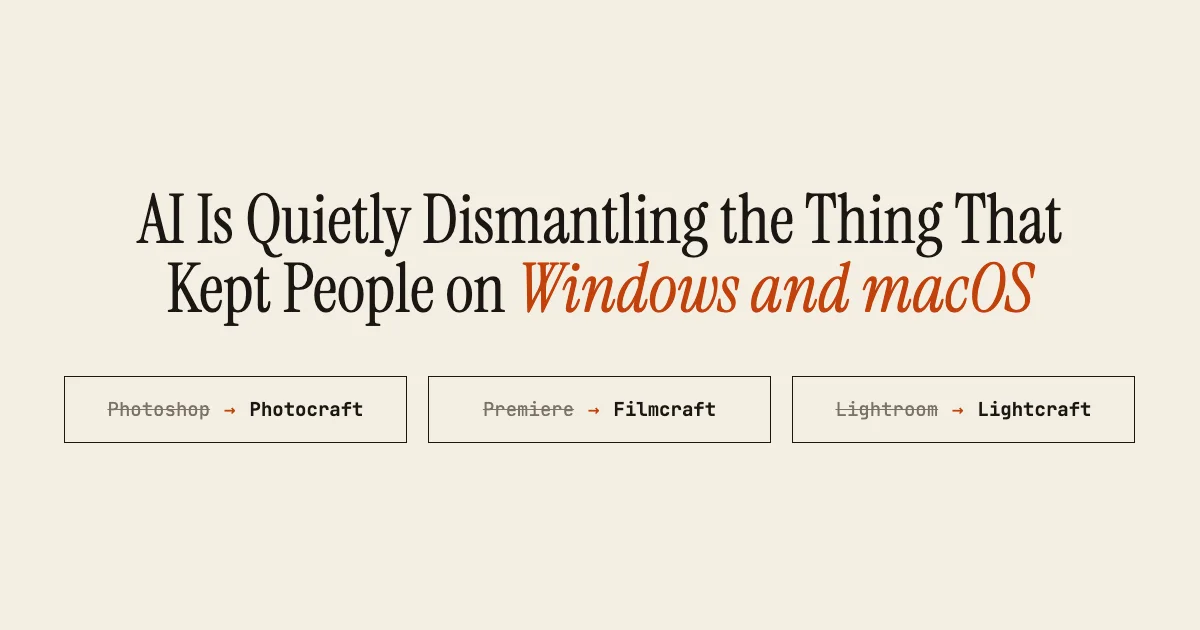
For 30 years the reason you could not simply switch to Linux was the software. Photoshop, Office, the apps you needed and the file formats they locked you into. In October 2026 a single developer used Claude Code to rebuild Adobe’s core creative apps in Rust and gave them away. I think the moat that protected proprietary software just sprang a leak, and the legal fight over whether that is allowed is going to be the real story.
Security
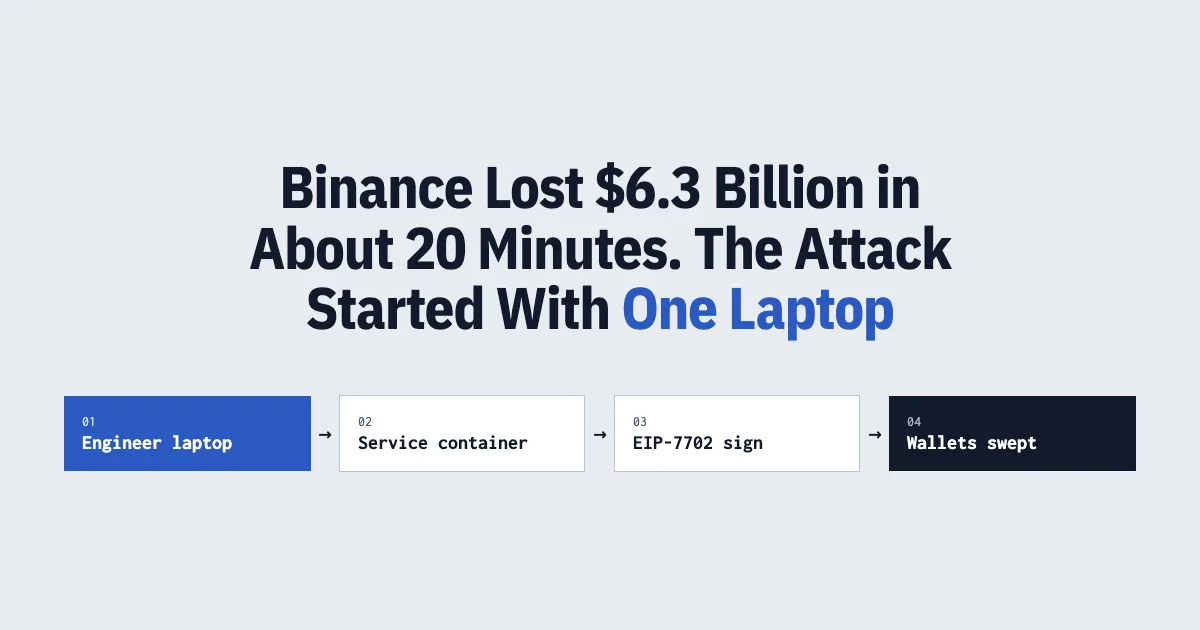
On 29 October 2026 attackers drained roughly $6.3 billion from Binance hot wallets in about 20 minutes, 4 times the size of the previous record. The way in was a compromised engineer’s laptop, and the clever part was a new Ethereum feature called EIP-7702 that let them turn a hot wallet into an automatic sweeper. I went through how it happened, how much got frozen, and why this did not break crypto the way it would have a few years ago.
Developer tools
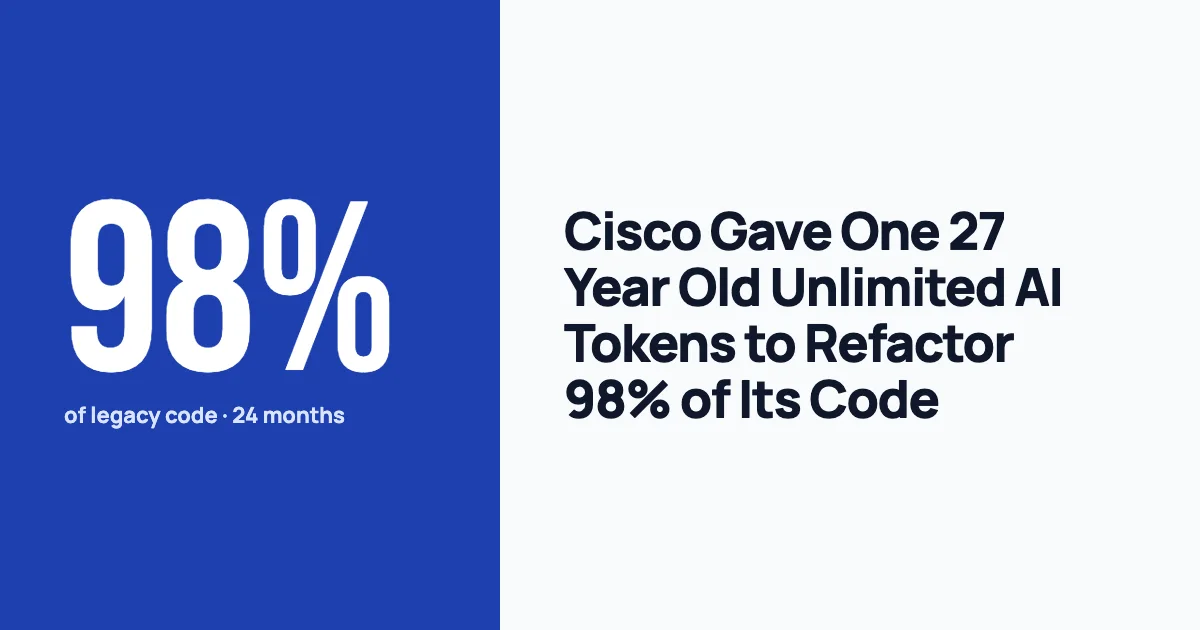
Cisco’s president gave a 27-year-old engineer unlimited AI tokens and 24 months to refactor 98% of the company’s legacy code, with 4 weeks to prove it can work at all. I think the headline number is a motivational target rather than an engineering estimate, and the more interesting story is what it says about who companies now trust with the keys.
Linux & open source
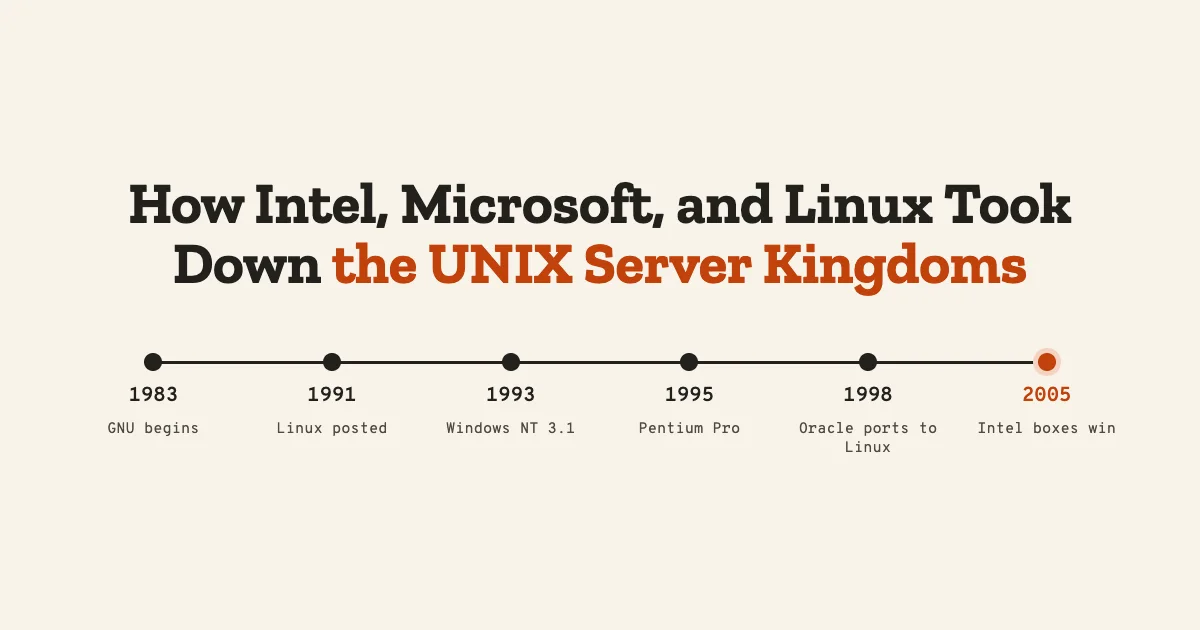
Going into the 1990s, a serious enterprise server meant a proprietary UNIX system running on custom RISC silicon, and it cost a fortune. By 2005 most of that market had been eaten by cheap Intel boxes running either Windows or Linux. I went back through how that happened, because it is one of the cleanest examples in computing history of a business model getting beaten on economics while its technology stayed ahead.
Security
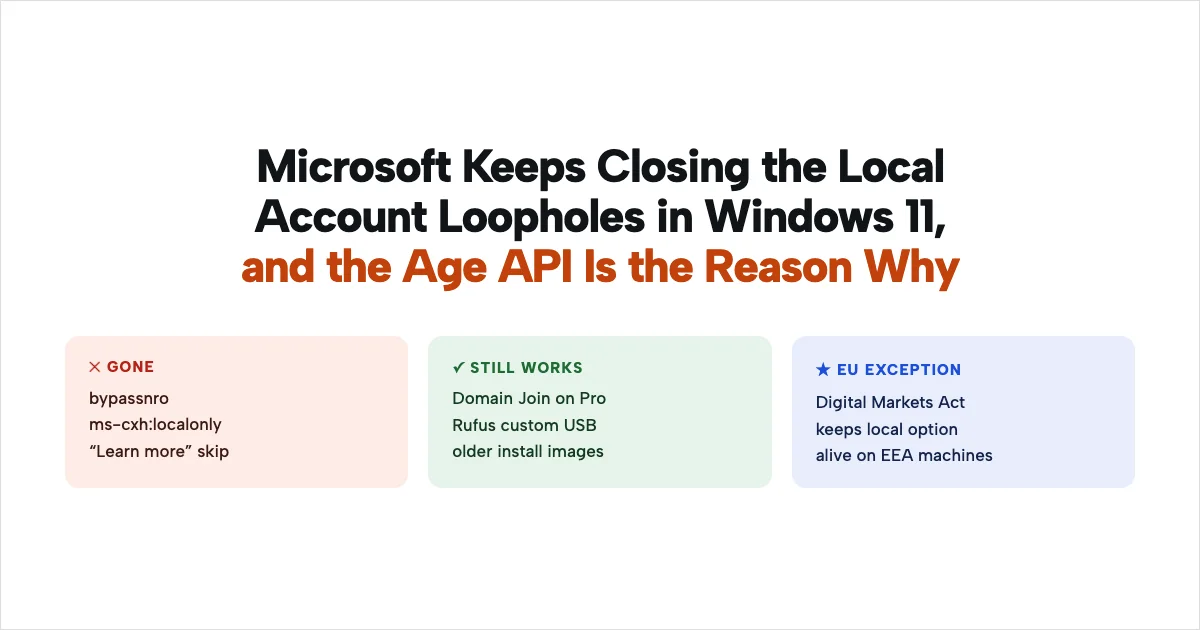
In October 2026 Microsoft quietly killed the last easy way to set up Windows 11 without a Microsoft account, after spending 2025 blocking the rest. I went through exactly which bypasses are gone, what still works, and why a new feature called the Windows age API, that reports whether you are a child, a teen, or an adult, is the piece that ties it all together. None of this requires a conspiracy to explain, the mechanism is on the record.
Linux & open source
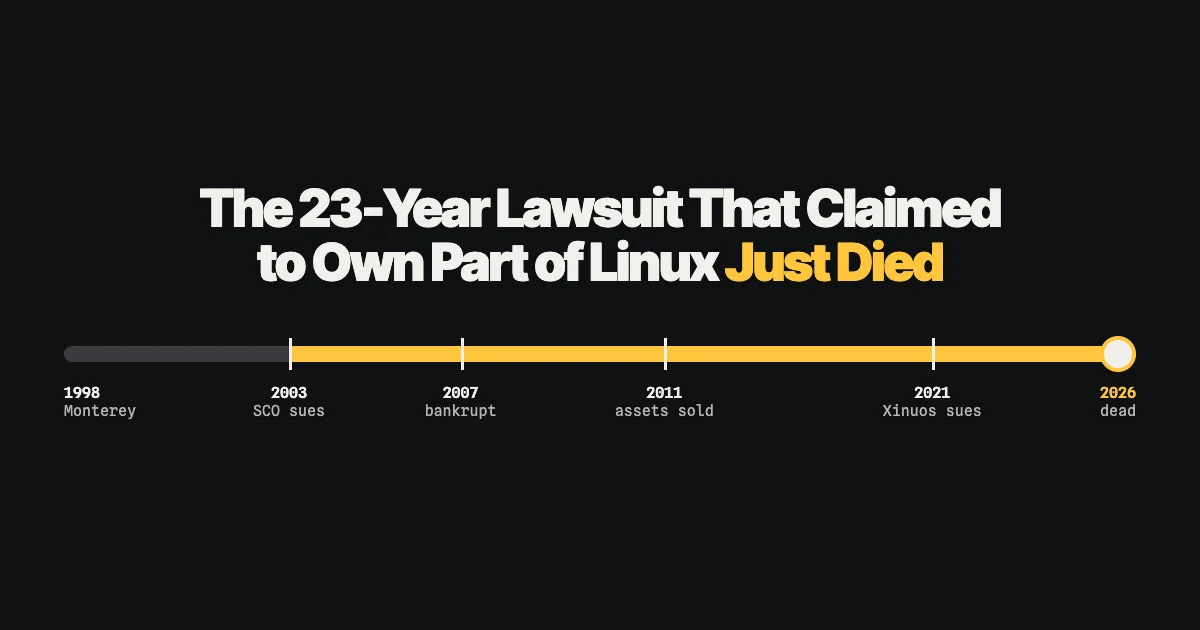
On 10 August 2026 a US appeals court threw out the last live appeal in a legal fight that started with a forgotten 1998 UNIX project, ran through a $5 billion lawsuit, a bankruptcy, an asset sale, and a fresh filing in 2021. For 23 years a private company kept claiming it owned code sitting inside the Linux kernel. I went through the whole saga, because it is the closest the open source world ever came to a genuine extinction event, and because the thing that finally killed it was not a ruling on who was right.
Security
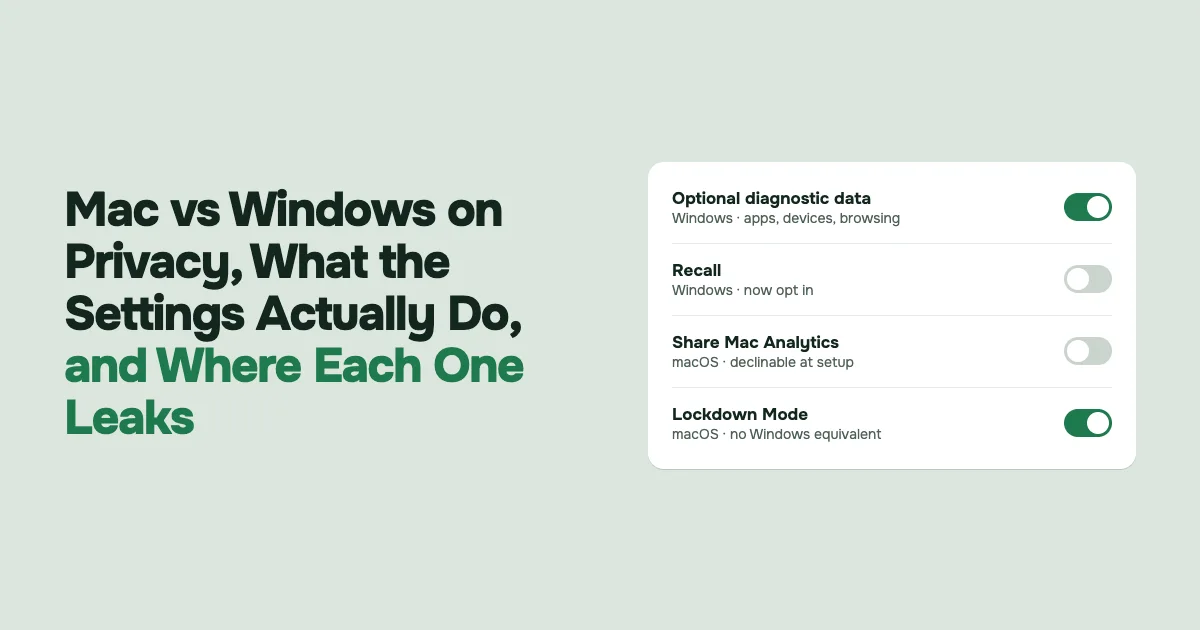
Most people run either Windows 11 or macOS, and both collect data, hand some of it to governments, and run advertising businesses. I went through what each system actually knows about you, what you can switch off, and where the real differences are, using the published numbers rather than brand loyalty. If privacy is your top priority the honest answer is neither of them, and I will get to that.
Linux & open source
In October 2026, months after buying Altair for $10.6 billion, Siemens retired the OpenRadioss website and deleted its GitHub repository, pointing users to a paid product. The code was under the AGPL, so within days a Rocky Linux founder had forked it into a new project called OpenCourant. I went through what happened, why deleting the repo was the self defeating part, and what the license actually guaranteed.